
Casino tourism in Europe has been evolving for decades, but only a handful of projects truly change the map rather than simply add another destination to it. City of Dreams Mediterranean, located in Limassol, Cyprus, is widely regarded as one of those rare developments. Opened as the largest integrated resort in Europe, it represents a strategic shift in how casino destinations are designed, marketed, and experienced. This is not just a casino with a hotel attached, but a full-scale lifestyle hub that blends gaming, leisure, culture, and regional positioning into a single ecosystem.
This article explores how City of Dreams Mediterranean is reshaping casino tourism, why Cyprus has suddenly become a focal point for international players, and what this project signals for the future of integrated resorts in Europe and beyond.
The Rise of Integrated Casino Resorts in Europe
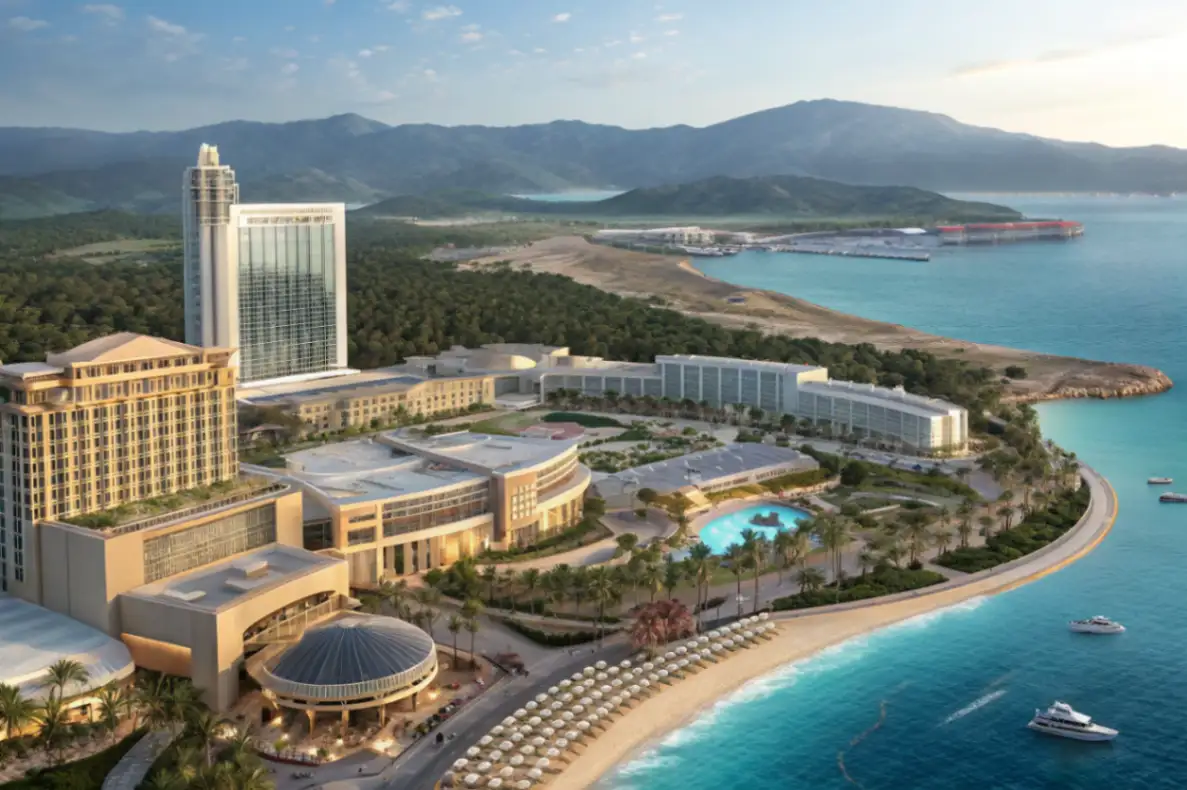
For many years, Europe approached casino tourism conservatively. Traditional casinos were often standalone venues, tied to historic city centers or spa towns, with limited accommodation and entertainment infrastructure. While iconic destinations such as Monte Carlo or Baden-Baden retained prestige, they struggled to compete with the scale and diversity offered by integrated resorts in Macau, Singapore, and Las Vegas.
City of Dreams Mediterranean marks a turning point in this evolution. It follows a global trend where casinos are no longer the sole attraction but one component of a broader hospitality and entertainment strategy. Guests are no longer traveling just to gamble; they are seeking experiences that combine luxury accommodation, fine dining, wellness, family-friendly activities, and cultural engagement.
What makes this development particularly important is its European context. Unlike Asia or the United States, Europe has fragmented regulations, diverse cultures, and varying attitudes toward gambling. Building an integrated casino resort that appeals to multiple markets while complying with strict regulatory frameworks is a complex challenge. City of Dreams Mediterranean demonstrates that such projects are not only possible but commercially viable when aligned with regional tourism strategies.
By positioning itself as a Mediterranean lifestyle destination rather than a pure gambling hub, the resort taps into a much wider audience. This approach significantly expands the definition of casino tourism in Europe, making it more inclusive, sustainable, and less dependent on high-rolling gamblers alone.
City of Dreams Mediterranean Overview and Key Features
To understand why this resort is changing the casino tourism landscape, it is important to look at its core components and how they interact with each other. City of Dreams Mediterranean was developed by Melco Resorts & Entertainment, a global operator known for integrated resorts in Macau and Asia. The Cypriot project adapts this experience to European tastes and expectations.
Before diving deeper into its impact, a structured overview helps clarify the scale and ambition of the resort. Below is a concise summary of its main features, followed by an explanation of why each element matters for casino tourism.
| Feature | Description | Impact on Casino Tourism |
|---|---|---|
| Casino Floor | Hundreds of slot machines and gaming tables | Positions Cyprus as a serious gaming destination |
| Luxury Hotel | Five-star accommodation with premium suites | Encourages longer stays and higher-value tourism |
| Dining & Bars | Fine dining, international cuisine, lifestyle bars | Expands appeal beyond gamblers |
| Family Entertainment | Adventure park, kids’ zones, events | Attracts mixed demographic travelers |
| Wellness & Spa | High-end spa and fitness facilities | Aligns with wellness tourism trends |
| Convention Spaces | Conference halls and event venues | Supports MICE and business tourism |
| Location | Limassol, Cyprus | Connects Europe, Middle East, and Asia |
Each of these components contributes to a broader tourism ecosystem rather than operating in isolation. The casino benefits from guests who initially arrive for conferences, leisure, or family holidays, while non-gaming facilities gain from the foot traffic generated by the casino. This synergy is at the heart of the integrated resort model.
What differentiates City of Dreams Mediterranean from earlier European attempts is the balance between scale and accessibility. It is large enough to compete internationally, yet designed to feel approachable rather than overwhelming. This balance is critical for attracting first-time casino tourists who might otherwise feel intimidated by massive gaming complexes.
Why Cyprus Became a Strategic Casino Tourism Hub
The selection of Cyprus as the location for Europe’s largest integrated casino resort was not accidental. It reflects a careful alignment of geography, regulation, and tourism economics. Historically, Cyprus has been known for beach tourism, cultural heritage, and favorable business conditions. Casino tourism, however, was not part of its traditional identity.
This changed when the Cypriot government re-evaluated its tourism strategy. Seasonal fluctuations and heavy reliance on a few source markets made diversification a priority. Introducing a large-scale casino resort offered a way to attract year-round visitors, increase average spending, and position the island as a premium destination rather than a mass-market holiday spot.
Several factors made Cyprus particularly suitable for this transformation. First, its geographic position acts as a bridge between Europe, the Middle East, and parts of Asia. This allows City of Dreams Mediterranean to draw visitors from multiple regions within relatively short flight times. Second, Cyprus offers a stable regulatory environment that provides clarity for international operators while maintaining responsible gaming standards.
The resort also benefits from Cyprus’s existing reputation for hospitality and safety. For casino tourists, especially those traveling with families or in mixed groups, these factors significantly influence destination choice. The perception of Cyprus as a relaxed yet sophisticated Mediterranean island complements the integrated resort concept perfectly.
Importantly, Cyprus did not attempt to replicate Las Vegas or Macau. Instead, City of Dreams Mediterranean integrates local culture, climate, and lifestyle into its design. This localization helps the resort feel authentic rather than imported, which is increasingly important for modern travelers seeking unique experiences.
Changing Player Behavior and Casino Tourism Patterns
One of the most significant impacts of City of Dreams Mediterranean is how it reshapes player behavior and travel patterns within casino tourism. Traditional casino trips were often short, purpose-driven visits focused almost entirely on gambling. In contrast, the integrated resort model encourages longer stays and more diverse activities.
To understand this shift, it is useful to consider the types of visitors the resort attracts and how their behavior differs from classic casino tourists. These visitors typically include international leisure travelers, business conference attendees, families, and lifestyle-focused tourists who may not identify as gamblers at all.
The resort’s design subtly changes how guests interact with the casino. Rather than being the sole reason for travel, gaming becomes an optional activity woven into a broader vacation experience. This reduces psychological barriers for new players and encourages casual participation.
Key behavioral changes include:
- Longer average stay durations due to non-gaming attractions.
- Higher overall spending across accommodation, dining, and entertainment.
- Increased participation from non-traditional casino demographics.
- Reduced reliance on high-risk gambling behavior.
- Greater emphasis on social and experiential gaming.
After introducing these dynamics, City of Dreams Mediterranean effectively redefines success metrics for casino tourism. Revenue is no longer measured purely by gaming turnover but by total resort performance and guest satisfaction. This holistic approach aligns with modern tourism trends that prioritize experiences over single-purpose travel.
Another important outcome is seasonality reduction. Beach tourism in Cyprus peaks in summer, while casino tourism and conferences can drive demand during off-peak months. This creates a more stable tourism economy and supports local employment throughout the year.
Economic and Regional Impact on the Mediterranean Market
The influence of City of Dreams Mediterranean extends far beyond its property boundaries. On a regional level, it has triggered a reassessment of casino tourism potential across the Mediterranean. Destinations that previously viewed casinos as niche or controversial are now observing the economic benefits of integrated resorts.
For Cyprus, the economic impact is multi-layered. Direct benefits include job creation, increased tax revenue, and infrastructure investment. Indirectly, the resort stimulates growth in related sectors such as transportation, real estate, food supply, and entertainment services. This multiplier effect is a key reason governments increasingly support integrated casino developments under strict regulatory oversight.
From a competitive standpoint, City of Dreams Mediterranean challenges established European casino destinations. Instead of competing on heritage or exclusivity alone, it competes on versatility and value. This pressures older casino hubs to modernize their offerings or risk losing relevance among younger, experience-driven travelers.
The resort also strengthens Cyprus’s brand as a high-end destination. Luxury tourism and casino tourism often reinforce each other, creating a virtuous cycle where improved perception attracts higher-spending visitors. Over time, this can elevate the entire national tourism profile rather than benefiting only a single property.
Regionally, the Mediterranean market gains a flagship project that can compete with global integrated resorts. This helps retain European casino tourists who might otherwise travel to Asia or North America for large-scale gaming and entertainment experiences.
The Role of Technology and Responsible Gaming
Modern casino tourism cannot thrive without advanced technology and a strong commitment to responsible gaming. City of Dreams Mediterranean integrates both elements as core components of its operational strategy rather than treating them as secondary concerns.
On the technological side, the resort employs advanced gaming systems, digital loyalty programs, and data-driven personalization. These tools allow the resort to understand guest preferences across gaming, dining, and entertainment, creating tailored experiences that increase satisfaction without encouraging excessive gambling.
Technology also enhances transparency and security, which are critical for international visitors. Seamless payment systems, cashless gaming options, and real-time monitoring contribute to a sense of trust and professionalism that modern casino tourists expect.
Equally important is the resort’s approach to responsible gaming. By embedding responsible gaming principles into staff training, guest communication, and operational design, City of Dreams Mediterranean aligns with European regulatory expectations and social responsibility standards.
This balanced approach helps normalize casino tourism as part of mainstream travel rather than a stigmatized activity. For destinations like Cyprus, this is essential to maintaining public support and ensuring long-term sustainability of the sector.
Future Outlook for Casino Tourism After City of Dreams Mediterranean
Looking ahead, City of Dreams Mediterranean is likely to influence how future casino resorts are planned and evaluated across Europe and nearby regions. Its success suggests that large-scale integrated resorts can thrive outside traditional gambling hubs when they align with local culture and broader tourism strategies.
Future developments will likely emphasize diversification, sustainability, and experience-driven design rather than pure gaming expansion. The Mediterranean climate and lifestyle provide a natural advantage for this approach, blending outdoor leisure with luxury hospitality and entertainment.
For casino tourists, this means greater choice and more balanced travel experiences. For destinations, it offers a blueprint for attracting high-value visitors without overreliance on gambling revenue alone. City of Dreams Mediterranean thus acts as both a catalyst and a case study for the next phase of casino tourism evolution.
Conclusion: A New Benchmark for Casino Tourism
City of Dreams Mediterranean is more than a new casino resort; it is a statement about the future of casino tourism in Europe. By combining gaming with luxury, family entertainment, wellness, and business travel, it expands the appeal of casino destinations to a much broader audience.
Its strategic location in Cyprus, thoughtful integration of local and global elements, and focus on sustainable tourism make it a benchmark for future developments. As casino tourism continues to evolve, projects like City of Dreams Mediterranean demonstrate that success lies not in gambling alone, but in creating complete, compelling destinations that resonate with modern travelers.