
The United Arab Emirates has never positioned itself as a traditional gambling destination in the style of Las Vegas or Macau. The country built its reputation on luxury hospitality, elite tourism, private clubs, and ultra-premium entertainment rather than mass gaming floors. Yet the conversation around high-stakes gambling in the UAE has changed dramatically over the last two years. International casino operators, investors, and wealthy travelers are now watching the Emirates closely as integrated resort projects begin to reshape the region’s entertainment landscape.
For VIP players capable of depositing $100,000 or more, the UAE represents something very different from older gambling hubs. The appeal is not only about gaming limits. It is about privacy, architecture, ultra-exclusive service, private aviation access, tailored concierge programs, and luxury experiences that extend far beyond baccarat tables and roulette wheels. High-net-worth visitors are increasingly interested in what the Emirates can offer once large-scale casino resorts become fully operational.
Several major names already dominate discussions around the future of luxury gambling in the UAE, including Wynn Al Marjan Island in Ras Al Khaimah, Atlantis The Royal in Dubai, Burj Al Arab’s private gaming hospitality ambitions, and MGM’s proposed integrated resort developments. For players accustomed to Monaco, Singapore, or Macau, the UAE is preparing to compete on a completely different level: modern Arabian luxury combined with carefully controlled premium gaming environments.
Why The UAE Is Becoming A New VIP Gaming Destination
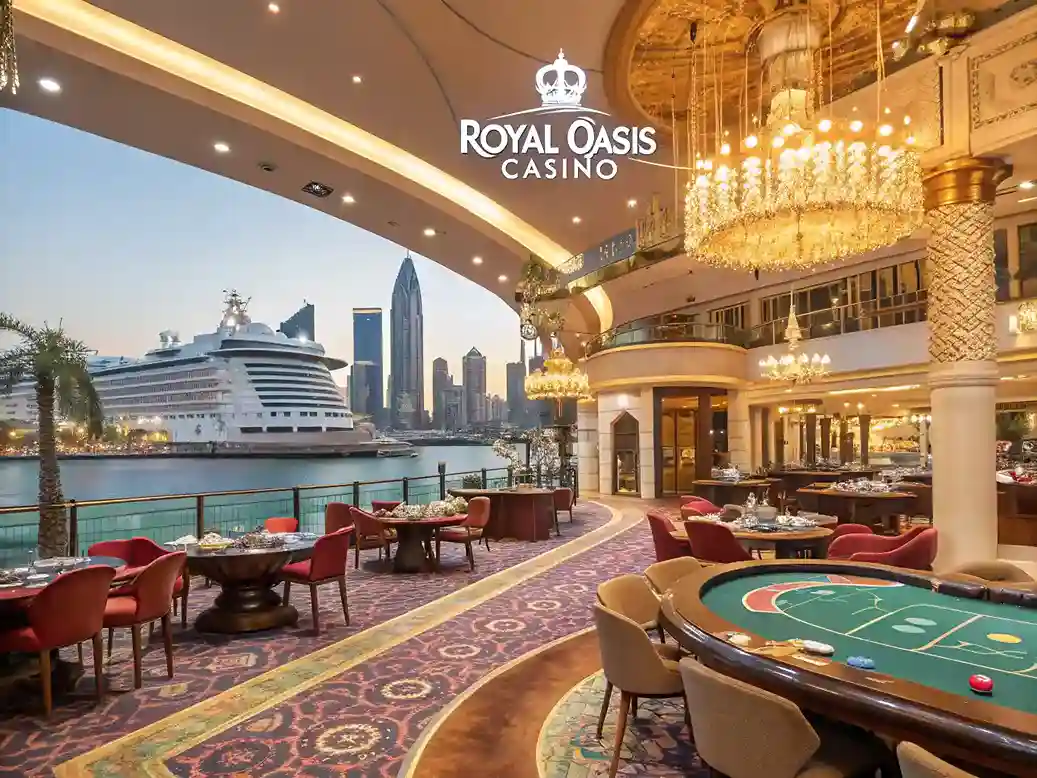
The UAE’s rise as a potential gaming capital is not happening accidentally. The country has spent decades transforming itself into a global luxury tourism hub capable of attracting billionaires, celebrities, professional investors, and royal families from across Europe, Asia, and the Middle East. Once integrated resorts entered the discussion, global casino operators immediately recognized the scale of opportunity.
The most important project is Wynn Al Marjan Island in Ras Al Khaimah. Wynn Resorts confirmed plans for a luxury integrated resort that includes gaming facilities, ultra-premium suites, private villas, marina access, celebrity dining concepts, and VIP entertainment spaces. The scale of investment immediately placed the project into the same conversation as Marina Bay Sands and Wynn Macau.
Unlike older casino destinations that focus heavily on crowded gaming floors, the UAE model appears centered around exclusivity. High-stakes guests are expected to receive experiences that blend private hospitality with discreet gaming access. This approach fits naturally with the Emirates’ broader luxury culture.
Several factors make the UAE especially attractive for players with six-figure bankrolls:
• Exceptional privacy standards for wealthy international visitors.
• Direct private jet access from Europe, Asia, and the Gulf region.
• Ultra-luxury hotel ecosystems already established in Dubai and Abu Dhabi.
• Tax-friendly conditions compared to many Western gambling markets.
• High-end entertainment infrastructure designed for elite tourism.
The atmosphere also differs significantly from traditional casino centers. Macau is fast, crowded, and intensely focused on gambling volume. Las Vegas blends gaming with mass entertainment. Monaco emphasizes old-money exclusivity. The UAE appears ready to create a hybrid model where luxury hospitality takes priority and gaming becomes one part of a much larger premium lifestyle experience.
This matters greatly for players depositing $100,000 or more. Wealthy gamblers rarely travel purely for gaming anymore. They expect personalized service, Michelin-level dining, private shopping experiences, yacht access, luxury wellness facilities, and exclusive social environments. The Emirates already excels in these categories.
Wynn Al Marjan Island: the centerpiece of UAE luxury gaming
Among all casino-related developments in the UAE, Wynn Al Marjan Island remains the defining project. Located in Ras Al Khaimah, the resort is expected to become the country’s first large-scale integrated gaming destination with international recognition.
Wynn Resorts has built its reputation around premium clientele rather than mass-market gambling. Properties in Las Vegas and Macau focus heavily on elite players who expect tailored experiences, large private suites, invitation-only salons, and exceptional service standards. The UAE development follows the same philosophy.
For VIP guests depositing $100,000 or more, Wynn Al Marjan Island is expected to offer:
| Feature | VIP Experience |
|---|---|
| Private gaming salons | High-limit baccarat, roulette, and blackjack areas with restricted access |
| Luxury accommodation | Ultra-premium suites, sky villas, and dedicated butler service |
| Transportation | Helicopter transfers, marina access, and VIP airport services |
| Dining | Chef-led tasting menus and private dining experiences |
| Concierge programs | Personalized entertainment, shopping, and travel arrangements |
| Security and privacy | Controlled-access gaming spaces and discreet guest management |
The significance of this project extends beyond gambling itself. Wynn is effectively introducing a new category of luxury tourism to the Gulf region. For wealthy travelers from Saudi Arabia, India, Europe, and East Asia, Ras Al Khaimah could become an alternative to Singapore or Monaco.
The property’s location is also strategic. Ras Al Khaimah offers more privacy and exclusivity than central Dubai while still remaining easily accessible. Many high-net-worth individuals prefer this balance. They want luxury without the nonstop intensity of major urban centers.
Another important factor is cultural positioning. The UAE is expected to regulate gaming carefully, focusing heavily on international tourism rather than mass local gambling. This controlled environment may appeal strongly to premium players who dislike chaotic casino atmospheres.
Industry analysts already expect Wynn Al Marjan Island to attract large numbers of VIP baccarat players from Asia. Baccarat remains the dominant high-roller game worldwide, especially among players operating with six-figure and seven-figure bankrolls. Wynn’s experience in Macau positions the company perfectly for this market.
Dubai’s luxury hotels and their future gaming ambitions
Even before legal casino operations fully emerge, Dubai already functions as one of the world’s most important luxury entertainment capitals. Hotels such as Atlantis The Royal, Burj Al Arab, Atlantis The Palm, Bulgari Resort Dubai, and Armani Hotel Dubai cater directly to ultra-wealthy clientele.
Many industry observers believe these hospitality giants are positioning themselves for future integration with gaming and private entertainment concepts. While regulatory frameworks continue developing, the infrastructure for VIP casino tourism already exists.
Atlantis The Royal deserves particular attention. The property has rapidly become one of the most exclusive destinations in the Middle East, attracting celebrities, athletes, tech entrepreneurs, and international investors. Its architecture, private pools, sky suites, and curated experiences align perfectly with what modern VIP casino players expect.
Burj Al Arab remains another symbolic luxury destination. Although not a casino property, its reputation for elite hospitality makes it one of the strongest potential partners for future premium gaming experiences tied to private clubs or integrated entertainment programs.
The luxury ecosystem surrounding these hotels is especially important for six-figure gamblers because modern VIP gaming extends far beyond casino tables. Players at this level expect complete lifestyle management during their stay.
Typical high-end expectations include:
• 24-hour multilingual concierge teams.
• Dedicated shopping advisors for luxury boutiques.
• Private security arrangements.
• Yacht charters and marina access.
• Exclusive nightlife access.
• Wellness and recovery programs.
• Personal chefs and customized dining.
Dubai already excels in nearly all these categories. Once casino operations become fully established in the region, the city could quickly become one of the world’s strongest competitors for premium gaming tourism.
Another major advantage is geographic connectivity. Dubai International Airport and Al Maktoum International Airport serve wealthy travelers from Europe, Asia, Africa, and the Middle East with exceptional efficiency. Private aviation infrastructure is also among the best in the world.
For VIP gamblers, convenience matters almost as much as gaming itself. The ability to land privately, transfer discreetly to a luxury resort, and access premium entertainment within hours creates enormous appeal.
What $100,000+ players actually receive
Depositing $100,000 at a luxury casino is not simply about obtaining higher betting limits. In premium gaming culture, large deposits open access to a completely different service ecosystem.
The UAE’s luxury hospitality environment is particularly suited to this model because personalization already defines elite tourism in the region. High-stakes players are likely to experience treatment closer to private membership clubs than conventional casinos.
At elite levels, hosts manage almost every aspect of the guest experience. Dedicated VIP managers often communicate with players before arrival to organize transportation, room preferences, entertainment schedules, gaming arrangements, and dining reservations.
Players operating at six-figure levels typically gain access to:
• Personalized credit arrangements and private banking support.
• Invitation-only gaming salons separated from public casino floors.
• Higher betting limits with flexible gaming conditions.
• Complimentary penthouse accommodation.
• Exclusive event invitations.
• Priority access to celebrity entertainment and luxury experiences.
The psychology of premium gaming has also changed significantly over the past decade. Wealthy players increasingly value comfort, exclusivity, and discretion more than aggressive casino energy. The UAE is uniquely positioned to capitalize on this shift.
Luxury in Dubai and Ras Al Khaimah already emphasizes calm environments, architectural sophistication, and personalized hospitality rather than loud mass entertainment. This atmosphere naturally appeals to mature high-net-worth clients.
Another important factor involves security. Players depositing $100,000 or more often prioritize confidentiality. The Emirates has developed a global reputation for handling elite tourism discreetly. High-profile business figures, athletes, celebrities, and royal families already use the UAE as a secure luxury destination.
Gaming operators entering the market understand this expectation clearly. Premium guests will likely encounter tightly controlled access systems, private elevators, restricted gaming zones, and personalized security coordination.
The social environment also differs from Western casino markets. VIP guests in the UAE may find a more international, business-oriented atmosphere with fewer distractions and greater emphasis on exclusivity.
The role of regulation and controlled expansion
One reason international investors are taking the UAE casino market seriously is the government’s highly controlled approach to regulation. Unlike jurisdictions that rapidly expand gambling access, the Emirates appears focused on gradual, tightly managed development.
This matters enormously for premium players because exclusivity often depends on limited market saturation. Too many casinos can dilute prestige and reduce service quality. The UAE seems determined to avoid this problem.
The establishment of the General Commercial Gaming Regulatory Authority marked a major turning point. It signaled that the country intends to create a structured legal framework capable of supporting international gaming operators while maintaining strict oversight.
For wealthy players, regulation provides several important advantages:
| Regulatory Focus | Benefit For VIP Players |
|---|---|
| Licensed operators | Greater trust and operational stability |
| Financial oversight | Secure handling of large transactions |
| Controlled market expansion | More exclusive gaming environments |
| International compliance | Better banking and payment systems |
| Luxury tourism alignment | Higher service standards |
This approach also protects the UAE’s broader luxury tourism identity. The country is not attempting to become a low-cost gambling destination. Instead, the focus remains firmly on premium integrated resorts designed for affluent international travelers.
That positioning aligns closely with the preferences of modern high rollers. Many wealthy players increasingly avoid overcrowded casino markets where service quality declines because of mass tourism pressure.
The UAE’s smaller number of ultra-premium resorts may ultimately create stronger long-term appeal than destinations filled with dozens of competing casinos.
Another interesting factor involves regional demand. Large numbers of affluent travelers from the Gulf region, India, and parts of Africa currently travel abroad for premium gaming experiences. The UAE could become a much closer and more convenient option for these players.
This regional advantage may help the Emirates build a powerful VIP customer base very quickly once operations mature.
How The UAE Could Compete With Monaco, Macau, And Singapore
Comparisons with Monaco, Macau, and Singapore are inevitable because these destinations dominate global VIP gambling discussions. Yet the UAE may ultimately carve out a unique position rather than directly copying existing models.
Monaco thrives on heritage and old-world prestige. Macau dominates through gaming volume and baccarat culture. Singapore combines strict regulation with luxury integrated resorts. The UAE appears ready to blend elements from all three while adding its own modern luxury identity.
One major difference is age. Dubai and Ras Al Khaimah are relatively new luxury destinations compared to European gaming centers. This allows developers to build fully modern integrated resorts without legacy infrastructure limitations.
Technology integration is likely to become a major advantage. Future UAE casino resorts are expected to include advanced digital hospitality systems, AI-driven personalization, biometric access technologies, and seamless luxury service management.
The hospitality standards may also exceed many established gaming destinations. Dubai’s hotel sector already competes aggressively at the highest global level. Service culture in the Emirates often prioritizes speed, customization, and presentation more heavily than older casino markets.
Climate and lifestyle matter as well. Wealthy visitors increasingly prefer destinations where gaming can combine naturally with beach resorts, yachting, fine dining, shopping, and wellness experiences. The UAE delivers this combination exceptionally well.
The following factors may define the Emirates’ competitive advantage:
• New ultra-modern resort infrastructure.
• Strong luxury tourism reputation.
• Strategic geographic location.
• Exceptional airline connectivity.
• High privacy standards.
• Controlled market expansion focused on exclusivity.
For players depositing $100,000 or more, these details matter more than simply finding large betting limits. True VIP gaming today revolves around experience quality, discretion, and lifestyle integration.
The UAE understands luxury branding exceptionally well. That expertise could allow the country to develop one of the world’s most sophisticated premium gaming markets over the next decade.
Conclusion
The future of VIP casinos in the UAE is shaping up around exclusivity, luxury hospitality, and carefully controlled expansion rather than mass-market gambling. For players capable of depositing $100,000 or more, the Emirates may soon offer one of the world’s most refined gaming environments.
Projects such as Wynn Al Marjan Island are already redefining expectations for luxury integrated resorts in the Middle East. At the same time, Dubai’s existing ecosystem of elite hotels, private entertainment, and premium tourism infrastructure creates an ideal foundation for high-stakes gaming experiences.
What makes the UAE especially interesting is its ability to combine modern luxury with privacy and global accessibility. Wealthy players increasingly seek destinations where gaming is only one part of a broader high-end lifestyle experience. The Emirates appears perfectly positioned to deliver exactly that.
As regulation develops and new resorts open over the coming years, the UAE could evolve into one of the most important premium gaming destinations anywhere in the world — not by copying Las Vegas or Macau, but by building something distinctly its own.